Sleepy Cat: A Versatile Display Font for Modern Design Needs
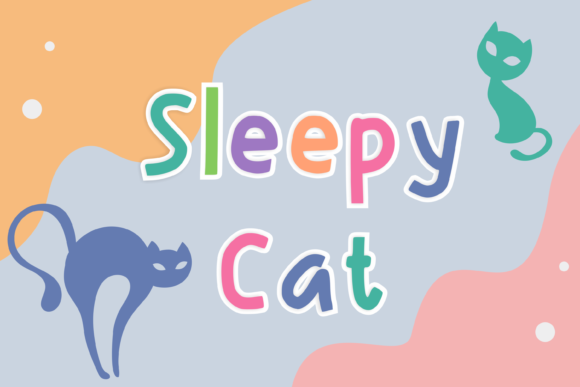
If you're looking for a display font that combines charm, readability, and versatility, Sleepy Cat might just be the perfect fit. This smooth and friendly typeface brings a casual and joyful style to any project, making it appear wonderfully down to earth and incredibly versatile. Whether you're designing a logo, crafting a social media post, or working on a website, Sleepy Cat offers a unique visual appeal that can elevate your creative work.
Why Sleepy Cat Stands Out
Sleepy Cat is more than just a font—it's a design choice that reflects personality and approachability. Its soft curves and gentle lines give it a relaxed, almost sleepy appearance, which is why it's named as such. This makes it ideal for projects that require a friendly and welcoming vibe, like branding for cafes, children’s products, or lifestyle blogs.
One of the key advantages of Sleepy Cat is its readability. Despite being a display font, it maintains a level of clarity that ensures text remains legible even at smaller sizes. This makes it suitable not only for headlines but also for body text in certain contexts.
Common Mistakes When Choosing Sleepy Cat
While Sleepy Cat is a great font, there are some common mistakes people make when choosing or using it. One of the most frequent errors is assuming that because it's a display font, it can replace a proper sans-serif or serif font in all situations. Using it for extended body text without considering its legibility can lead to a cluttered and hard-to-read layout.
Another mistake is not pairing Sleepy Cat with complementary fonts. Since it has a playful and casual feel, it should be paired with more structured fonts to create balance. For example, combining Sleepy Cat with a clean sans-serif like Helvetica or Arial can help maintain visual harmony in your design.
Some designers also overlook the importance of spacing and kerning when using Sleepy Cat. Because of its rounded and soft edges, improper spacing can make text look uneven or unprofessional. Always take the time to adjust letter spacing and line height to ensure optimal readability and aesthetics.
How These Mistakes Affect Your Work
Misusing Sleepy Cat can affect the overall presentation and communication of your message. If the font is too large or used inappropriately, it can distract from the content rather than enhance it. Poor spacing or lack of contrast between fonts can also reduce the professionalism of your design.
Additionally, failing to consider the context in which Sleepy Cat is used can lead to confusion among your audience. For instance, using it for a formal business document may come across as unprofessional, while using a rigid font for a casual blog could feel overly serious.
The cost of these mistakes isn't always financial—it can impact brand perception, user experience, and even conversion rates if you're working on marketing materials or websites.
Practical Advice for Using Sleepy Cat Effectively
To avoid these pitfalls, start by understanding where Sleepy Cat fits best. Use it for headlines, call-to-action buttons, or decorative elements rather than long paragraphs. Pair it with a more traditional font for body text to maintain clarity and structure.
Before finalizing your design, test Sleepy Cat in different sizes and colors to see how it looks across various devices and screen types. Ensure that it doesn’t become too small or too large in context, and that it complements the overall color scheme of your project.
Also, don’t forget to check the licensing terms before downloading or purchasing Sleepy Cat. Some fonts have restrictions on commercial use, so it's important to confirm that you're allowed to use it in your intended application.
What to Check Before Making a Decision
Before committing to Sleepy Cat, consider the following:
- Purpose: Is this font appropriate for your project? Will it communicate the right tone and message?
- Legibility: How does it look at different sizes and on different screens?
- Compatibility: Does it work well with other fonts in your design?
- Licensing: Are you allowed to use it in your intended way?
- Cost: Is it worth the investment compared to other options?
By taking these factors into account, you can ensure that Sleepy Cat is the right choice for your needs and that it enhances rather than detracts from your work.
Realistic Examples and Better Approaches
Let’s say you’re designing a promotional poster for a new café. Instead of using Sleepy Cat for the entire poster, use it for the headline “Welcome to Brew Haven” and pair it with a clean sans-serif font like Roboto for the rest of the text. This creates a friendly yet professional look that aligns with the café’s brand image.
On the other hand, if you're creating a website for a tech startup, using Sleepy Cat for the main navigation or body text might not be the best choice. In this case, opt for a more modern and minimalistic font that supports readability and efficiency.
Always remember that the goal is to enhance your message, not overshadow it. Sleepy Cat is a powerful tool, but like any design element, it should be used thoughtfully and strategically.
By avoiding common mistakes and applying practical advice, you can make the most out of Sleepy Cat and ensure it serves your design goals effectively.