Painkiller: A Bold Display Font That Speaks Volumes in Modern Design
In the ever-evolving world of design, typography plays a crucial role in conveying messages with clarity and impact. Among the many fonts available, Painkiller stands out as a unique and bold display font that captures attention instantly. With its thick lettering and powerful presence, Painkiller is more than just a typeface—it's a statement. Whether you're a professional designer, an entrepreneur, or a creative enthusiast, understanding how to use this font effectively can elevate your visual communication and align it with current trends.
What Is Painkiller?
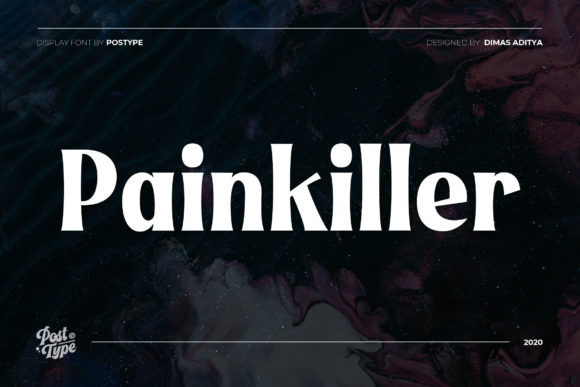
Painkiller is a display font characterized by its strong, muscular strokes and high contrast between thick and thin elements. It’s designed to be eye-catching, making it ideal for headlines, logos, and other applications where impact is key. Unlike traditional serif or sans-serif fonts, Painkiller has a distinctive look that sets it apart from the rest. Its name itself suggests strength and resilience—qualities that make it a compelling choice for designers looking to convey power, confidence, or urgency.
The font’s structure is both modern and retro, blending elements of slab serifs with a contemporary edge. This makes it versatile enough to work across various industries, from fashion and technology to entertainment and sports. Its versatility allows it to adapt to different contexts while maintaining its signature boldness.
Why Painkiller Is Gaining Attention
Designers are always on the lookout for tools that help them stand out in a crowded market. In recent years, there has been a growing trend toward using bold and expressive typography to capture attention in digital spaces. Painkiller fits perfectly into this movement. As audiences become more visually saturated, brands and creatives are seeking ways to cut through the noise—Painkiller offers exactly that.
Moreover, the rise of minimalist design aesthetics has not diminished the need for impactful typography; rather, it has highlighted the importance of choosing the right font to complement a clean layout. Painkiller provides that punch without overwhelming the overall design. Its use in branding, advertising, and digital media has made it a go-to choice for professionals who want their message to be heard clearly and remembered.
Trends Driving the Popularity of Painkiller
The increasing demand for Painkiller can be attributed to several broader trends:
- Visual Storytelling: Content creators and marketers are focusing more on visual storytelling to engage audiences. Painkiller enhances this approach by adding a layer of emotional weight to text.
- Brand Differentiation: In a competitive marketplace, standing out is essential. Painkiller helps brands differentiate themselves with a unique typographic identity.
- Digital Transformation: As more businesses move online, the need for strong digital assets has never been higher. Painkiller is well-suited for web design, social media, and mobile interfaces.
- Creative Freedom: Designers are increasingly valuing creative freedom over rigid constraints. Painkiller empowers them to experiment with typography in new and exciting ways.
These trends have created a fertile ground for fonts like Painkiller to thrive. They are not only meeting current needs but also anticipating future demands in the design industry.
How Painkiller Fits Into Broader Industry Trends
The influence of Painkiller extends beyond individual projects; it reflects larger shifts in how we communicate and consume content. In the realm of marketing, for example, brands are leveraging bold typography to create memorable experiences. Painkiller’s ability to command attention aligns with this strategy, making it a valuable asset for campaigns aimed at driving engagement and conversion.
In the tech industry, user experience (UX) design has become a critical factor in product success. Typography plays a significant role in UX, affecting readability, accessibility, and overall user satisfaction. Painkiller, when used appropriately, can enhance the visual hierarchy of a website or app, guiding users through content with ease.
For entrepreneurs and freelancers, Painkiller serves as a tool for personal branding. A strong logo or business card featuring this font can leave a lasting impression on clients and potential collaborators. It conveys professionalism and creativity, two qualities that are highly valued in today’s business environment.
Practical Examples of Painkiller in Action
Consider a startup launching a fitness app. The brand wants to project strength and motivation. By using Painkiller in their logo and promotional materials, they can immediately communicate these values through typography alone. Similarly, a music festival might use Painkiller in its posters and digital ads to create a sense of energy and excitement.
Even in more subdued settings, such as corporate presentations or academic publications, Painkiller can be used sparingly to emphasize key points or headings. Its bold nature ensures that important information doesn’t get lost in a sea of text.
Designers should remember that while Painkiller is powerful, it should be used judiciously. Overuse can lead to visual clutter, so it’s best reserved for headings, titles, and other focal points within a design.
Why Painkiller Resonates With Today’s Audience
Modern audiences are more discerning than ever. They seek authenticity, clarity, and emotional resonance in the content they consume. Painkiller meets these expectations by offering a font that is both visually striking and semantically rich. Its boldness speaks to a desire for confidence and authority, while its unique design appeals to those who appreciate originality.
Additionally, the font’s versatility allows it to be used across multiple platforms and mediums. Whether it’s printed on merchandise, displayed on a website, or featured in a video, Painkiller maintains its integrity and impact. This cross-platform consistency is essential in an age where content is consumed in diverse formats and environments.
As consumers become more connected and informed, they are also more selective about the brands and content they engage with. Painkiller helps creators and businesses meet these expectations by delivering a visual language that is both modern and meaningful.
Conclusion: Embracing the Power of Painkiller
In conclusion, Painkiller is more than just a font—it’s a reflection of contemporary design sensibilities and the evolving needs of modern audiences. Its bold character, versatility, and alignment with current trends make it a valuable addition to any designer’s toolkit. Whether you’re working on a brand identity, a marketing campaign, or a personal project, Painkiller can help you communicate your message with clarity and impact.
As the design landscape continues to evolve, fonts like Painkiller will play an increasingly important role in shaping how we interact with visual content. By embracing this font and understanding its potential, professionals and creatives can stay ahead of the curve and create work that resonates with today’s audience.
So the next time you’re looking for a font that commands attention and leaves a lasting impression, consider Painkiller. It’s not just a choice—it’s a statement.