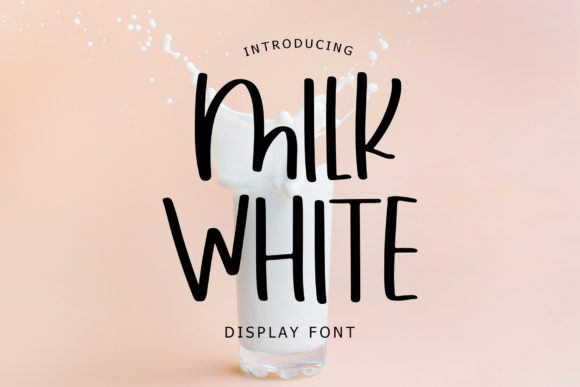
Milk White: A Simple, Versatile Display Font for Modern Design
Milk White is a display font that stands out for its clean lines, relaxed feel, and versatility. Whether you're designing a logo, creating social media content, or crafting a website, this font can bring a fresh and modern touch to your projects. Its simplicity makes it easy to read while still maintaining visual interest, which is why many designers are turning to Milk White for their creative needs.
Why Choose Milk White?
Milk White’s lettered design gives it a friendly and approachable look. It's not too bold or dramatic, yet it has enough character to stand out in headlines, banners, or promotional materials. The font works well in both digital and print formats, making it suitable for a wide range of applications—from web design to packaging and branding.
Its versatility means it can be used in various weights and styles without losing its essence. This makes it a great choice for those who want a font that adapts easily to different design contexts.
Common Mistakes When Using Milk White
While Milk White is an excellent choice, there are some common mistakes that users make when incorporating it into their designs. These errors can affect the overall look and effectiveness of your project.
1. Overusing the Font
One of the most frequent mistakes is using Milk White for every element of a design. While it’s a versatile font, overuse can lead to visual fatigue and reduce readability. It’s best to reserve it for headings, titles, or call-to-action buttons rather than body text.
Better Approach: Pair Milk White with a more traditional sans-serif or serif font for body text. This creates a balanced and professional appearance.
2. Ignoring Spacing and Kerning
Milk White, like any font, requires attention to spacing and kerning. Poorly spaced letters can make your text look unprofessional and hard to read. This is especially important when using the font in logos or large-scale prints.
Better Approach: Use font editing tools or design software that allows you to adjust spacing manually. Always preview your design on different screen sizes to ensure consistency.
3. Not Checking Compatibility
Before downloading or purchasing Milk White, it's essential to check if it's compatible with your design software or platform. Some fonts may not render correctly in certain programs or across different devices.
Better Approach: Look for reviews or test versions of the font before committing to a purchase. Ensure it supports the languages and characters you need for your project.
What to Check Before Using Milk White
Before incorporating Milk White into your design, take a moment to evaluate a few key factors. These considerations can help you avoid potential issues and ensure the font meets your needs.
- Licensing Terms: Make sure you understand the licensing agreement, especially if you plan to use the font commercially. Some fonts require attribution or have restrictions on how they can be used.
- Font Quality: Download high-quality versions of the font from reputable sources to ensure clarity and legibility at all sizes.
- Design Context: Consider the purpose of your design. Will Milk White complement the other elements? Does it align with your brand’s identity?
Practical Tips for Better Results
To get the most out of Milk White, follow these practical tips:
- Use It Sparingly: Limit Milk White to areas where it will make the most impact, such as headlines or subheadings.
- Pair It Wisely: Combine it with complementary fonts that enhance readability and aesthetics.
- Test Across Devices: Ensure the font looks good on screens of different sizes and resolutions.
- Stay Updated: Keep an eye on updates or new versions of the font that might improve performance or add features.
Real-World Examples of Milk White in Action
Many successful brands and designers have used Milk White effectively in their work. For instance, a boutique clothing store used Milk White for their website headers and saw an increase in user engagement due to the font’s clean and inviting style.
In another case, a marketing agency incorporated Milk White into their client presentations and found that it helped convey a sense of professionalism and approachability, leading to positive feedback from clients.
These examples show how the right font choice can significantly influence the success of a design project.
Conclusion
Milk White is a valuable addition to any designer’s toolkit. Its simplicity, versatility, and clean aesthetic make it ideal for a wide range of design applications. By avoiding common mistakes and following best practices, you can ensure that Milk White enhances your designs rather than detracts from them.
Whether you're a beginner or an experienced designer, taking the time to understand how to use Milk White effectively can lead to better results and greater satisfaction with your work.