Graphic Design: A Versatile Tool for Creative Expression and Professional Communication
The Role of Graphic Design in Modern Communication
Graphic Design has evolved from a specialized craft into an essential component of modern communication. It is the art of combining text, images, and other visual elements to convey messages effectively. Whether it's a logo, a website layout, or a social media post, Graphic Design plays a pivotal role in shaping how information is perceived and understood.
In today’s digital age, where visual content dominates online platforms, the importance of Graphic Design cannot be overstated. Businesses rely on visually appealing designs to capture attention, while individuals use them to express their creativity. The versatility of Graphic Design allows it to be applied across various industries, making it a valuable skill for professionals and hobbyists alike.
Characteristics of Effective Graphic Design
An effective Graphic Design piece is characterized by clarity, consistency, and creativity. These three elements work together to ensure that the message being conveyed is both clear and engaging. Clarity ensures that the design communicates its intended message without confusion, while consistency helps maintain a cohesive brand identity across different platforms.
Creativity, on the other hand, allows designers to stand out in a competitive market. A well-designed graphic can make a brand memorable and distinguish it from others. For example, a simple yet elegant logo can become synonymous with a company’s identity, reinforcing brand recognition over time.
Key Elements of Graphic Design
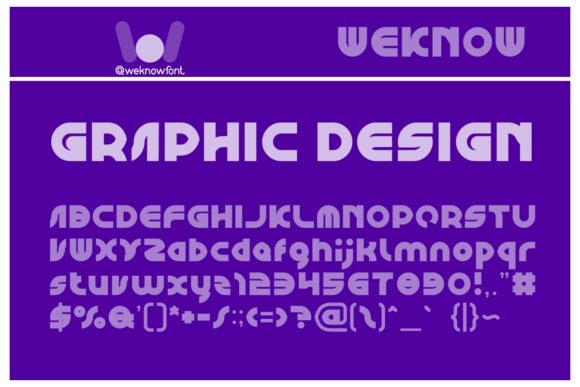
- Typography: The choice of fonts can significantly impact the overall look and feel of a design. From bold and chunky lettered display fonts like Graphic Design Is to clean sans-serif fonts, typography plays a crucial role in conveying tone and style.
- Color Theory: Understanding color combinations and their psychological effects is essential in creating visually appealing designs. Colors can evoke emotions, guide attention, and enhance readability.
- Layout and Composition: The arrangement of visual elements within a design space influences how information is processed. A well-structured layout ensures that the design is both aesthetically pleasing and functional.
Applications of Graphic Design Across Industries
Graphic Design finds applications in almost every industry, from marketing and advertising to education and technology. In marketing, it is used to create eye-catching advertisements, packaging, and promotional materials. In education, it helps in developing visually engaging learning resources such as infographics and presentations.
The healthcare industry also benefits from Graphic Design, using it to communicate complex medical information in a simplified and accessible manner. Similarly, the technology sector relies on Graphic Design to create user interfaces that are intuitive and user-friendly.
Use Cases for Graphic Design
- Branding: Creating logos, brand guidelines, and visual identities that reflect a company’s values and mission.
- Web Design: Developing visually appealing websites that enhance user experience and encourage engagement.
- Social Media: Designing posts, banners, and stories that capture attention and drive interaction.
- Packaging: Designing product packaging that stands out on store shelves and communicates key product features.
Advantages of Incorporating Graphic Design into Your Workflow
For businesses, incorporating Graphic Design into their workflow offers numerous advantages. It enhances brand recognition, improves customer engagement, and increases the effectiveness of marketing campaigns. Well-designed visuals can also help in reducing cognitive load, making it easier for audiences to process information.
For individuals, Graphic Design provides a creative outlet and a means of self-expression. Whether you're designing for personal projects or exploring a career in design, the skills gained through Graphic Design are transferable and highly valuable in today’s job market.
Tools and Resources for Aspiring Graphic Designers
There are several tools available for aspiring graphic designers, ranging from beginner-friendly software like Canva to more advanced programs like Adobe Photoshop and Illustrator. Online courses and tutorials also provide valuable resources for learning and mastering Graphic Design.
Additionally, design communities and forums offer opportunities for networking, collaboration, and feedback. Engaging with these communities can help designers stay updated on the latest trends and techniques in the field.
Considerations When Working with Graphic Design
While Graphic Design offers many benefits, there are certain considerations that should be kept in mind. One of the most important factors is understanding the target audience. A design that appeals to one demographic may not resonate with another, so it’s essential to tailor your approach accordingly.
Another consideration is the balance between aesthetics and functionality. While a visually striking design may catch attention, it must also serve its intended purpose. For instance, a website may look beautiful but fail to provide a seamless user experience if not designed properly.
Lastly, staying updated with the latest trends and technologies in Graphic Design is crucial. The field is constantly evolving, and what was once considered cutting-edge may soon be outdated. By keeping up with new developments, designers can ensure that their work remains relevant and effective.